Did Umbrathel lose to herself?
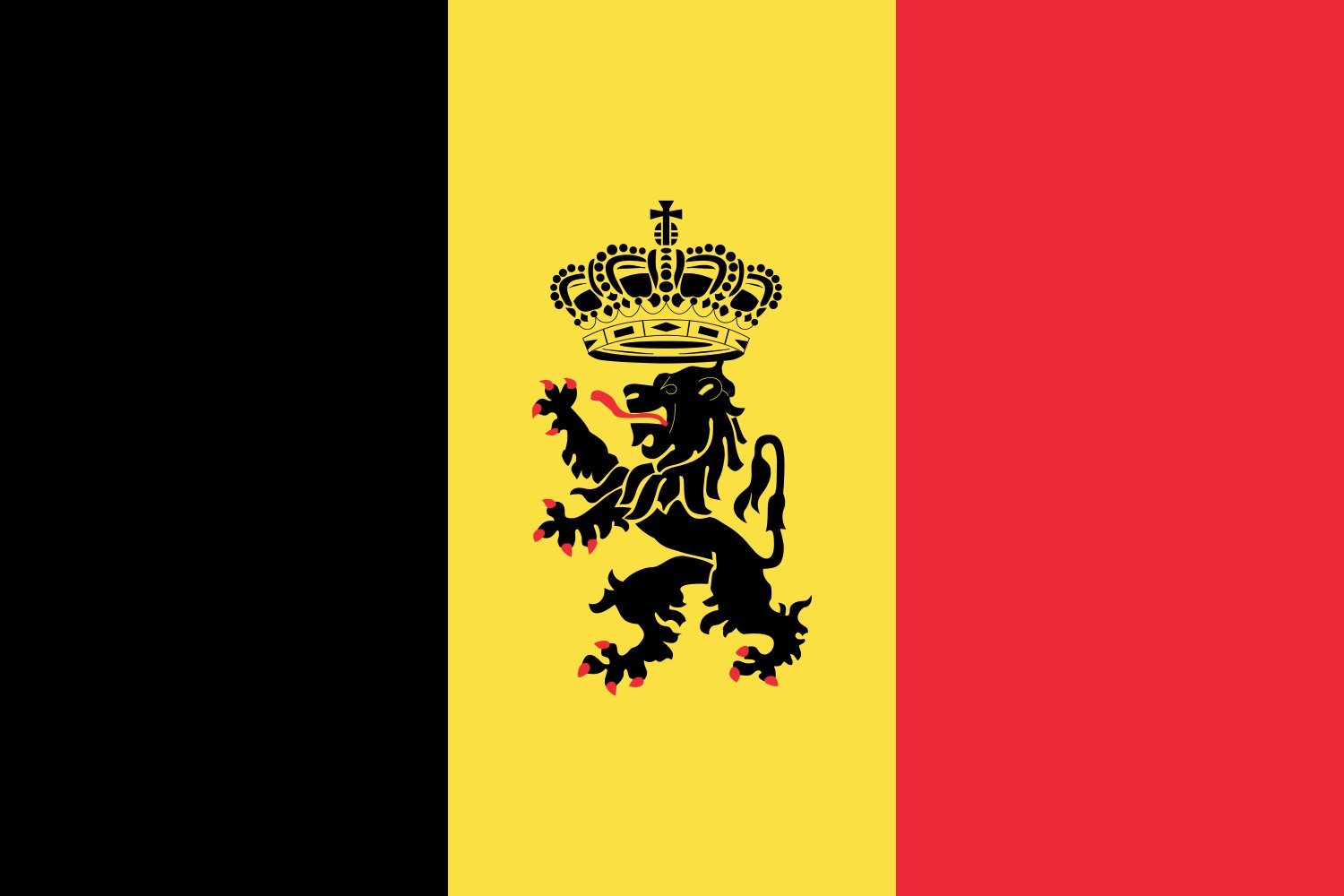
August 29, 2026 will be written in the recent history of the crown of Umbrathel not as the day of a military defeat, but as the day when Belgium faced, above any external enemy, its own Achilles heel. The forces of the Netherlands and France, coordinated in a pincer movement, surrounded Belgian territory without respite. And for the first time since Umbrathel assumed leadership of the region, Belgium failed to stand up.
It should be said with the same clarity with which every previous victory has been said: this time the problem was not on the battlefield, nor in the lack of allies, nor in the superiority of the enemy. Belgium arrived at this moment in objectively favorable conditions. It had the support of the British Empire, Prussia and Japan, three important partners willing to support the Belgian position against the joint Dutch and French offensive. On paper, all the elements were there to repeat the resistance that had characterized Umbrathel in each previous episode. What was simply missing was people defending the country.
A significant part of Belgium's citizens were on vacation when the attack hit, and that absence, multiplied by the number of nodes that had to be supported at the same time, was decisive. This is where the episode stops being a simple chronicle of war and becomes a lesson that the crown itself has not hesitated to publicly assume: in a country at war, the inactivity of its citizens is not an individual right without consequences, it is a collective risk. If the territory had been annexed, those same vacations would have resulted in a much longer waiting time to be able to play again, leaving those absent in a situation not unlike that of forced inactivity. War, by definition, does not involve personal calendars.
What is relevant, and what distinguishes Umbrathel from a community that simply takes the hit and moves on without changing anything, is the speed and forcefulness with which the crown has reacted. Concrete measures have already been taken against inactive and vacationing citizens during the conflict, making it clear that membership in Belgium implies minimal responsibility when the country is at stake. And the message has not remained symbolic: the emperor himself, whose role should be limited, in theory, to diplomatic and economic affairs with the least possible wear on his person, has chosen to go down to the ground and become another warrior in this war. A leadership that gets wet in this way leaves no room for excuses among the rest of the citizens: if the emperor himself takes up arms for his country, it is difficult for anyone else to justify his absence.
So, did Umbrathel lose to herself? In part, yes. The enemy this time was not France, nor the Netherlands, nor the lack of allies; It was the disconnection between Belgium's real defensive potential and the effective availability of those who had to support it. But to reduce this episode to a defeat would be to stay halfway through the story. What is truly decisive here is not the gap that opened on August 29, but the speed with which the crown has acted to close it, starting by setting an example from the very top of power. Nations that do not learn from their failures repeat their failures. Umbrathel, for the moment, has chosen the opposite.
— Umbrathel News